The Legacy of Captain Cook: Exploring the History and Impact of a Maritime Icon
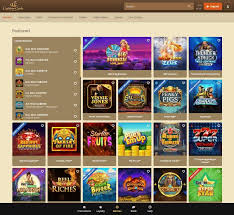
The story of Captain James Cook is one of adventure, exploration, and significant contributions to the world of navigation and cartography. As a British explorer, navigator, and cartographer, Cook is best known for his three voyages in the Pacific Ocean during the 18th century, which greatly enhanced the understanding of the globe. His meticulous maps and accounts of different cultures opened the door for future explorers and settlers. In this exploration of Captain Cook’s profound legacy, we will also touch upon the modern influence of his name, including inquiries into whether CaptainCooks is Captain Cooks Casino legit.
Early Life and Career
James Cook was born on October 27, 1728, in Marton, England. Coming from humble beginnings, he started working at a young age as a merchant’s apprentice. His fascination with the sea led him to join the Royal Navy, where he quickly made a name for himself. He was known for his exceptional navigation skills and deep understanding of cartography, which would serve him well in his future endeavors.
The First Voyage (1768-1771)
Cook’s first voyage began on August 26, 1768, aboard the HMS Endeavour. The primary mission was to observe the transit of Venus across the sun, which would help scientists determine the distance between the Earth and the sun. This journey took Cook to Tahiti, where he conducted astronomical observations. However, the most significant part of this voyage was his exploration of New Zealand and the eastern coastline of Australia. Cook became the first recorded European to make contact with the eastern coastline of Australia, mapping it with precision and opening the way for British colonization.
The Second Voyage (1772-1775)
Cook’s second voyage was ambitious, aiming to locate the elusive southern continent, Terra Australis. Departing on July 13, 1772, Cook took the HMS Resolution and sailed farther south than anyone had ever ventured. He circumnavigated the globe at high latitudes, proving that there was no vast landmass in the south, but instead it was the harsh waters of the Southern Ocean. His detailed logs from this journey contributed immensely to the scientific community’s understanding of the southern hemisphere’s geography.
The Third Voyage (1776-1779)
The third and final voyage of Captain Cook set sail on July 12, 1776, with the aim of finding a Northwest Passage through North America. Unfortunately, this voyage took a tragic turn. Cook explored the Hawaiian Islands, but upon his return to the islands in 1779, tensions arose between Cook’s crew and the natives, leading to Cook’s death on February 14, 1779. Despite his demise, his contributions to navigation and mapping were monumental.
Captain Cook’s Impact on Exploration

Captain Cook’s voyages were remarkable not just for their maritime achievements but also for their scientific contributions. He meticulously recorded details about the lands, peoples, and ecosystems he encountered. His interactions with Indigenous populations were complex and often fraught with tension, showcasing the clash of cultures that marked the age of exploration. His travels laid the groundwork for future expeditions and set a high standard for exploration, inspiring generations of navigators.
Cook’s Navigation Techniques
One of the hallmarks of Cook’s expeditions was his innovative use of navigation techniques. He was among the first to implement detailed mapping and systematic observations, which involved the use of chronometers to calculate longitude accurately. This ensured safe and accurate navigation across vast ocean distances. His methodologies in navigation were adopted widely and became the standard for maritime exploration.
The Legacy of Captain Cook
Cook’s legacy extends beyond his maps and explorations; he is a symbol of the Age of Enlightenment, embodying the ideals of scientific inquiry and curiosity. Today, Captain Cook is celebrated in many countries, with numerous statues, museums, and places named in his honor. However, his legacy is also contested, particularly concerning the impact of European colonization on Indigenous populations. Understanding Cook’s contributions requires a nuanced view that recognizes both his achievements and the broader consequences of his expeditions.
Captain Cook in Popular Culture
The story of Captain Cook has permeated popular culture, from books and documentaries to theatrical productions. His life and expeditions are portrayed in various forms, helping to keep the spirit of exploration alive in contemporary discussions. Many modern tales explore the duality of his legacy, highlighting the thrill of discovery and the darker implications of colonization and cultural conquest.
The Modern Legacy: Is Captain Cook’s Casino Legit?
As we reflect on Captain Cook’s lasting impact, we encounter his name in unexpected places, such as in the realm of online gaming. The emergence of casinos that evoke historical figures, including Captain Cook, raises questions about authenticity and legitimacy. In the crowded online gaming market, prospective players often find themselves asking: is Captain Cooks Casino legit? While the name may suggest adventure and excitement akin to Cook’s voyages, it is vital for players to conduct thorough research and ensure that any online casino they engage with is reputable and secure.
Conclusion
Captain James Cook remains a pivotal figure in the annals of exploration. His narratives of bravery and discovery continue to resonate, inviting us to explore not just the world around us but also the complexities of history as it intertwines with modern narratives. As we navigate our own journeys in life, whether across oceans or through virtual platforms, may we carry forward the spirit of inquiry, understanding, and respect that Cook himself embodied.